Quick Answer
Choosing yarn for crochet depends on the project, not just the colour or softness. Beginners can start with a smooth, medium-weight yarn because it is easier to handle and see stitches. Cotton works well for structured items, while acrylic is practical for everyday projects. Always check the pattern, yarn label, hook recommendation and gauge before starting.
Quick Overview
| Thing | Why it matters |
| Yarn material | Changes softness, drape and care |
| Yarn weight | Affects thickness and finished size |
| Hook size | Helps control stitch tension |
| Yarn colour | Makes stitches easier or harder to see |
| Project type | Determines suitable fibre and weight |
Table of Contents
- Introduction
- How to Choose the Right Yarn
- Yarn Types for Crochet
- Yarn Selection by Project
- Conclusion
- FAQs
Introduction
Choosing the right yarn is one of the first steps to creating a successful crochet project. The yarn you select can affect the finished item’s texture, size, drape, durability, stitch definition, and overall appearance. With different fibres, weights, sizes, and colours available, beginners may find it difficult to know where to start. Understanding how yarn characteristics match different crochet projects can help you choose a suitable option, avoid common mistakes, and achieve the desired finish.
How to Choose the Right Yarn
The best yarn for crochet is the one that suits the finished item and feels comfortable while you work. A soft yarn may be pleasant for clothing, but it may not give a basket enough structure. Likewise, a firm cotton can be useful for bags but may feel different when used for a sweater.
Before buying several balls, check these points:
- Read the recommended yarn weight on the pattern.
- Check the fibre content on the label.
- Look at the suggested crochet hook size.
- Compare the yarn’s yardage with project requirements.
- Buy from the same dye lot for larger projects.
A small test swatch can save you from discovering halfway through that your finished piece is the wrong size. Craft Yarn Council also treats hook and gauge information as guidelines, so the pattern’s stated gauge should take priority.
Action: Match the yarn to the pattern first, then consider colour and appearance.
Also Read: https://tirumalaitextiles.com/types-of-dyes-in-textile-industry/
Understanding Yarn Weights and Sizes
Terms such as crochet yarn weights and crochet yarn sizes can look confusing because weight refers to yarn thickness, not how much the ball weighs.
The Craft Yarn Council’s standard system runs from 0, the finest category, to 7, the thickest. The system also gives commonly used hook ranges for each category.
| Weight | Common name | Typical crochet use |
| 0 | Lace | Fine lacework |
| 1 | Fingering | Socks and delicate garments |
| 2 | Sport | Baby items and light garments |
| 3 | DK | Clothing and accessories |
| 4 | Worsted | Blankets, toys and garments |
| 5 | Bulky | Rugs and warm accessories |
| 6–7 | Super bulky/Jumbo | Large blankets and décor |
Thicker yarn gives you a chunkier, heavier fabric, and you’ll usually finish the project faster. Thin yarn creates a finer finish with more detail, but it can take quite a while to work with. If your pattern mentions a specific yarn weight, use that as your starting point instead of judging the yarn by thickness alone.
Info Gain: Crochet thread is generally finer and more tightly twisted than ordinary yarn. Its numbering can also work differently: a higher thread number indicates a finer thread.
Choosing Colours Without Guesswork
Colour is mostly personal, but it can affect how easy a project is to crochet. Very dark shades can make individual stitches harder to see, especially when you are still learning. Lighter or medium shades often make stitch placement easier to follow.
When buying several balls, check the dye lot. Yarn from different dye lots can have slight colour differences, which may become noticeable across a large blanket or garment.
For crochet yarn colors, think about the finished use as well. Soft neutrals may suit everyday clothing, while brighter combinations can work well for toys, bags and decorative pieces.
Action: For your first project, choose a shade where the stitches are easy to see.
Yarn Types for Crochet
The fibre affects how the finished crochet piece feels, moves and behaves after washing. There is no single material that works for every project.
| Yarn type | Common use |
| Cotton | Bags, dishcloths, tops and home décor |
| Acrylic | Blankets, toys and everyday projects |
| Wool | Warm clothing and winter accessories |
| Blends | Projects needing combined fibre qualities |
| Linen | Lightweight garments and warm-weather pieces |
For crochet yarn for beginners, smooth acrylic and cotton are often easier to work with than very fuzzy or loosely spun yarns. Clear stitch definition makes it easier to see where the hook needs to go.
There are different types of crochet thread, and they can vary in thickness, material and finish. Cotton thread is a common choice for doilies, lacework and small decorative projects. Thinner threads are useful for fine details, while slightly thicker options can be easier to handle when you’re still getting used to crochet.
Cotton also has a firmer feel, which can help with defined stitches. Acrylic is generally easier to find across different colours and weights, making it useful when practising several basic stitches.
Action: Choose the fibre according to how the finished item should feel and perform.
Yarn Selection by Project
Different projects place different demands on yarn. A garment needs comfortable movement, while a basket or bag needs more body.
| Project | Yarn considerations |
| Sweater | Soft, wearable fibre with suitable drape |
| Crochet top | Lightweight yarn with comfortable texture |
| Blanket | Durable yarn available in enough yardage |
| Amigurumi | Firm fabric and clear stitch definition |
| Bag | Strong yarn with enough structure |
| Doily | Fine thread for detailed stitches |
For crochet clothes, the type of fibre can make a noticeable difference to how the finished piece feels. Cotton and cotton blends are comfortable in warmer weather, while wool or wool blends are better suited to colder days. For home décor pieces, you may want to focus more on how well the yarn holds up to regular use and washing.
Those looking into sustainable fibre sourcing may also come across recycled cotton yarn manufacturers in tamilnadu when researching yarn suppliers and material options.
Action: Decide what the item needs to do before deciding which yarn to buy.
Conclusion
Picking yarn gets much easier when you first think about what you’re making. The best yarn for crochet depends on the pattern, so check the recommended weight before choosing a fibre or colour. If you’re just starting out, a smooth medium-weight yarn is easier to handle and makes the stitches easier to see.
FAQs
1. What is the best yarn for crochet beginners?
A smooth medium-weight yarn is usually easier to handle when learning. Worsted or weight 4 yarn gives visible stitches without being too thin. Avoid highly fuzzy, slippery or loosely spun yarns at first because they can make individual stitches harder to identify.
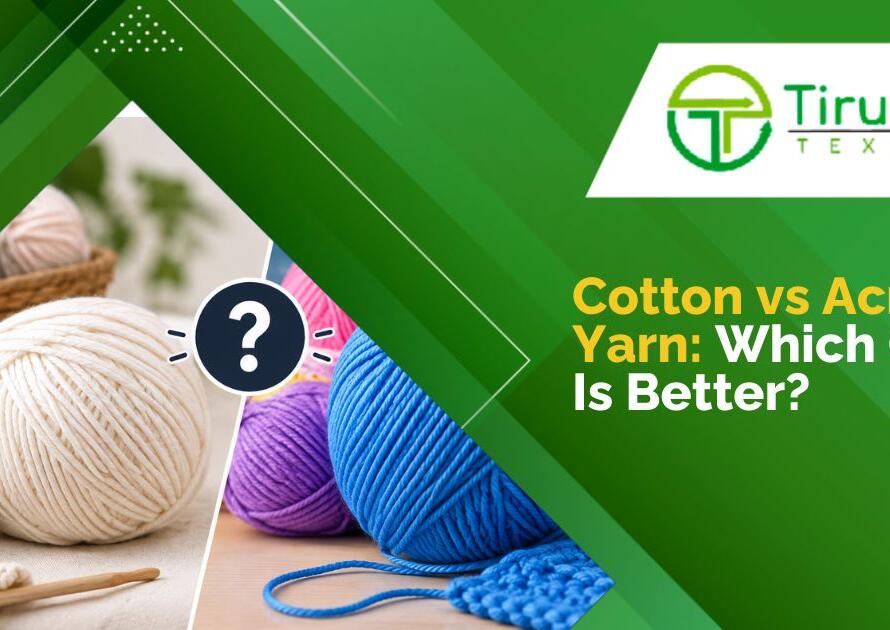
2. Is cotton or acrylic yarn better for crochet?
Cotton and acrylic both have their own uses. Cotton feels a little firmer, so it works nicely for bags, dishcloths and summer projects. Acrylic is a handy choice when you want more colour or different yarn thicknesses. In the end, it comes down to what you’re making and how you want the finished piece to feel.
3. What yarn weight is easiest for beginners?
Weight 4 yarn is a good place to start if you’re new to crochet. It’s easy enough to see the stitches without the yarn feeling too bulky in your hands. For the hook, don’t just pick one by size. Have a look at the yarn label and the pattern to see what they suggest.
4. What is the difference between crochet yarn and crochet thread?
Crochet thread is thinner than regular yarn and usually has a tighter twist. It is often used for small, detailed projects like doilies, lace edges and decorative pieces. The numbering can also be a little confusing at first. With crochet thread, a higher number usually means the thread is finer.
5. How do I choose the right yarn size for crochet?
Before buying the yarn, have a look at what the pattern recommends. The label can also help you choose the right hook. If you want the finished piece to come out close to the given measurements, crochet a small sample first. Even a small change in yarn thickness can make the final piece bigger, smaller, or softer.
6. Which yarn is best for making crochet clothes?
Choose a fibre and weight that feel comfortable against the skin and give the required drape. Lightweight cotton, cotton blends, wool and other fibres can work depending on the garment and climate. The pattern’s gauge and care instructions should also be considered.